
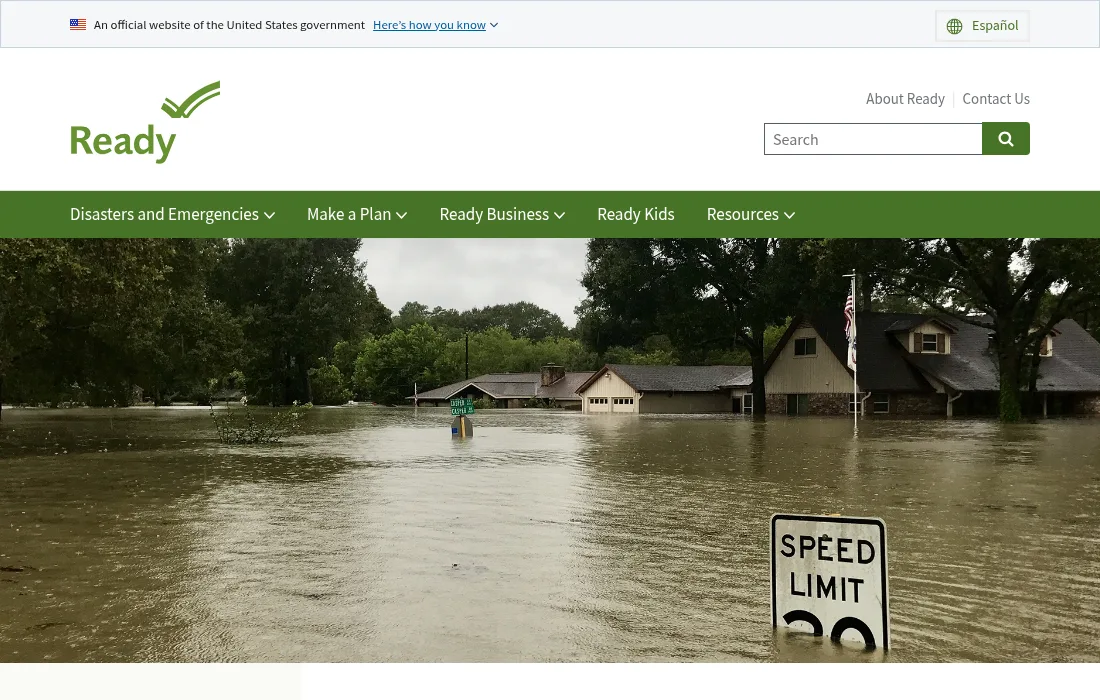
MELBOURNE, FL, Nov. 2, 2026 — Days of heavy rain have flooded streets and, in some neighborhoods, homes along Florida's east coast. Once the water starts to drop, the cleanup can bring its own risks. Ready.gov, run by the U.S. Department of Homeland Security, lists these steps for the time after a flood.
Wait for the all-clear. Pay attention to local authorities, and go home only when they say it's safe. Avoid driving except in emergencies.
Dress for the job. Wear heavy work gloves, protective clothing and boots. Use a face covering or mask if you're cleaning mold or other debris.
Know who should stay out. People with asthma or other lung conditions, or a weakened immune system, shouldn't go into buildings with indoor water leaks or mold they can see or smell. Children shouldn't help with disaster cleanup.
Watch for animals. Snakes and other animals may have gotten into the house.
Treat electricity as a hazard. Don't touch electrical equipment if it's wet or if you're standing in water. If it's safe to do so, turn off the power to prevent shock.
Stay out of floodwater. It can be contaminated and hide dangerous debris, and underground or downed power lines can electrically charge it.
Keep generators outside. Run a generator or other gas-powered equipment only outdoors and away from windows.
Ready.gov also links to a checklist for filing a flood insurance claim through the National Flood Insurance Program, along with a fact sheet titled "Your Homeowners Insurance Does Not Cover Flood."
Take it slow, and put safety ahead of speed.
Sources: Ready.gov, "Floods," last updated Oct. 20, 2026.
← More Education & DIY stories · All Launchpad stories · Spotted an error? Request a correction.