
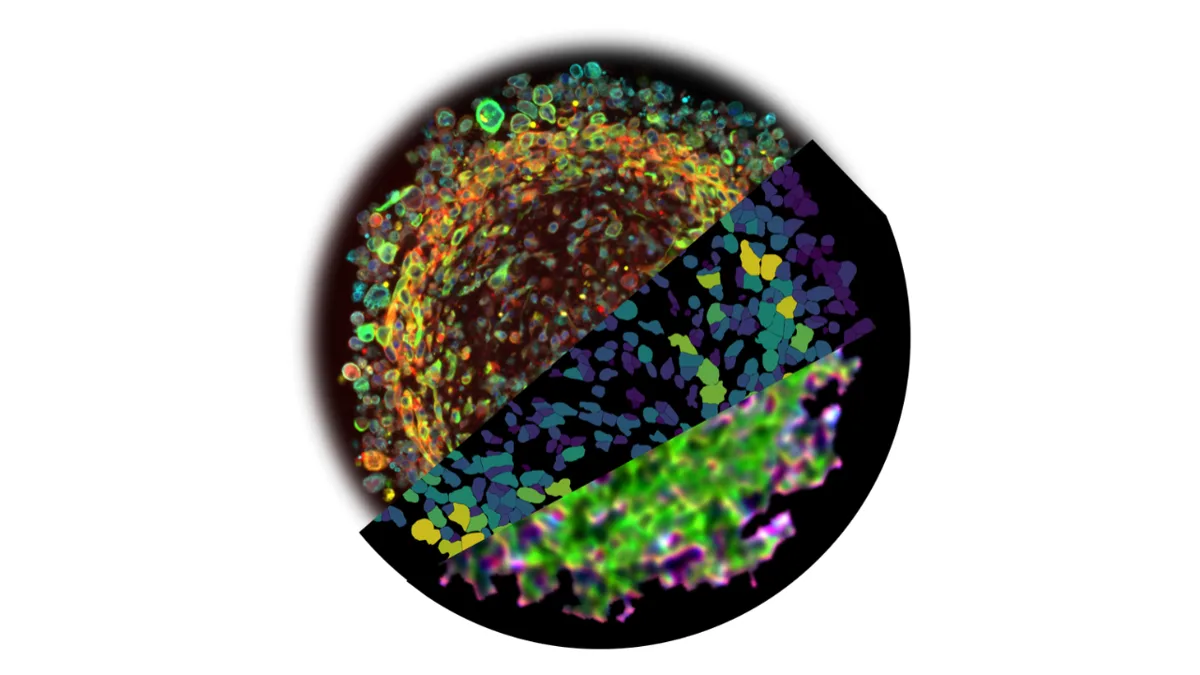
KENNEDY SPACE CENTER, FL, Oct. 31, 2026 — Glioblastoma organoids grown for 40 days aboard the International Space Station more closely resembled human tumors than those grown on Earth, according to results published in PNAS and announced Friday by the ISS National Laboratory, which is managed from Kennedy Space Center.
Glioblastoma is "the most common malignant primary brain tumor in adults," the lab says. On Earth, gravity makes cells settle, which interferes with growing complex 3D structures. In the space-grown samples, genes tied to inflammation, immune responses and blood vessel formation were more active, and the organoids showed "a more immunosuppressive tumor microenvironment, a hallmark of advanced GBM."
"By growing GBM organoids on the ISS, we demonstrated that microgravity fuels a model phenotype that recapitulates human tumors better and faster than we achieve on the ground," said Meenal Datta of the University of Notre Dame, who led the team.
Datta's team has launched two more station investigations using patient-derived organoids, the most recent on SpaceX's CRS-35 mission, the lab says.
Sources: ISS National Laboratory press release, Oct. 30, 2026.
← More Science & Technology stories · All Launchpad stories · Spotted an error? Request a correction.